Arriving in Japan?
Here's Exactly What to Do
on Your First Day
Japan rewards preparation more than almost any country in the world. This guide covers everything from airport exit to first dinner — in the order you'll actually need it.
This guide contains affiliate links. We may earn a small commission at no extra cost to you.
Your First Day in Japan, Simplified
Breezing through customs, setting up your eSIM, and solving the luggage problem before you even exit arrivals.
The exact transit math: choosing between trains, buses, or private transfers based on your group size and arrival time.
What is actually realistic after a long flight — and the specific "jet-lag recovery system" to save your afternoon.
Why Tokyo restaurant kitchens close earlier than you think, and how to find an effortless first-night meal.
Skip the paper customs form on the plane. Register on Visit Japan Web before you fly to generate a customs QR code. On arrival, you'll scan it at the electronic gates right before the arrivals lobby, letting you breeze through the final checkpoint without waiting in the regular paper lines.
At the Airport
Immigration
How long you wait depends almost entirely on how many other flights land alongside yours.
Have your accommodation address written and accessible before you reach the counter — immigration officers will ask for it.
Connectivity: eSIM or Pocket WiFi?
You need internet the moment you clear immigration for maps, translation, and transport apps. Activate your eSIM or collect your Pocket WiFi before exiting the arrivals lobby.
Best for solo travelers and couples. Activates before you land, no device to carry, no return required.
Best for families and groups. Airport pickup at Narita and Haneda, or ship directly to your hotel or Airbnb — device waiting at check-in.
While waiting at the baggage carousel, use that downtime to activate your eSIM. Take a moment to watch the airport staff — the care, precision, and respect they show while lining up your luggage is a beautiful first sign that you've truly arrived in Japan. By the time your eSIM is active, your bags will likely be waiting.
Luggage: Exploring Before Check-In?
If your hotel room won't be ready when you arrive, Japan offers one of the most elegant solutions in travel: same-day luggage delivery from the airport directly to your hotel. Send your bags ahead, arrive unburdened, pick them up at check-in.
Send Your Bags Straight to Your Hotel→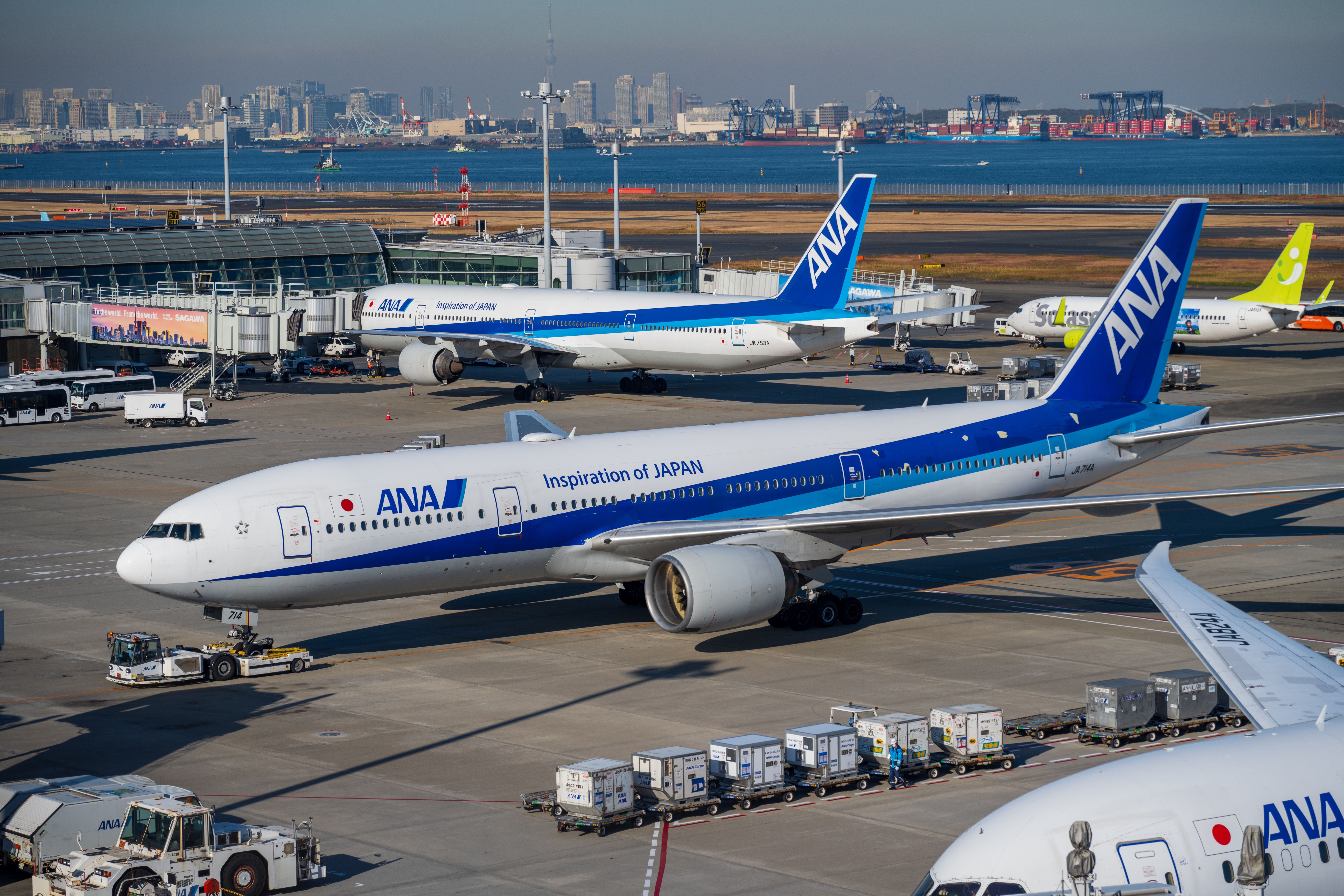
Getting to Your Hotel
Tokyo has two airports: Narita (60–90 mins from central Tokyo) and Haneda (20–30 mins from central Tokyo). The best way to reach your hotel depends entirely on your group size, arrival time, and luggage.
| Option | Choose this when |
|---|---|
| Train or Limousine Bus | 1–3 travelers from Narita, or 1–4 from Haneda Luggage within standard limits Daytime or early evening arrival |
| Airport pickup | 4+ travelers from Narita or 5+ from Haneda More than 2 large suitcases per person Hotel far from primary station Late-night arrival Travelers with mobility considerations or young children |
Limousine Bus Luggage: Max 2 large checked bags per person in the undercarriage. Overhead bins inside the cabin are smaller than on an airplane.
Midnight Train Cutoff: Tokyo's trains stop running around midnight. If you land late, double-check your specific route's final train time before relying on rail transport.
Narita Express (N'EX) · Train
TrainFrom ¥3,000/person (~$20) · 60–90 min · Direct to major stations
Direct service to Shinjuku, Shibuya, Ikebukuro, and Yokohama. Best if your hotel is in west or southwest Tokyo.
Keisei Skyliner · Train
TrainFrom ¥2,500/person (~$17) · 40 min to Ueno
Fastest connection to Ueno and Asakusa, then onward into central Tokyo. The better value if your hotel is in the Ueno, Asakusa, or Akihabara corridor.
Train + Suica IC Card
TrainFrom ¥500/person (~$3) · 20–30 min · Tokyo Monorail or Keikyu Line
Fast, affordable, and manageable on arrival. Pick up a Suica IC card at Terminal 3 — one card covers these trains, buses, and convenience store purchases throughout your entire trip.
Note: Suica is not valid on the Skyliner or Narita Express — those require separate premium tickets. If your ANA flight lands at Haneda Terminal 2, take the free terminal shuttle to Terminal 3 to pick up your Suica card.
Airport Limousine Bus
BusNarita ~¥3,200/person · Haneda ~¥1,300/person · Direct to hotel districts
Direct routes to major hotel districts — Shinjuku, Shibuya, Marunouchi, Ginza — without platform navigation or transfers. Comfortable, spacious, and genuinely pleasant.
⚠ Undercarriage storage: max 2 large suitcases per person
Airport Pickup
🚗 Car serviceNarita from ~$90 sedan · Haneda from ~$60 sedan · Fixed price, no meter
Skip Uber in Japan — it is heavily marked up. A pre-booked private transfer offers a fixed, predictable price with a driver waiting for you at arrivals. If you are traveling with a group (4+ from Narita or 5+ from Haneda), this actually ends up costing about the same or less than public transit plus a last-mile taxi.
When an Airport Pickup Actually Makes Sense
The "Last-Mile" Cost Chain
Public transit fares don't tell the whole story. If your Tokyo hotel is more than a 10-minute walk from the station, you will likely need a local taxi to carry your luggage the rest of the way.
Group Size Breakdown: What Wins?
If you land during rush hour and aren't in a rush to check in, grab dinner right at the airport. Letting the evening rush clear out makes your eventual trip into the city center infinitely more comfortable.
Keep in mind that by the time you reach your hotel after a long travel day, decent dinner options nearby may already be closing. Having a backup plan — or eating at the airport before heading in — is never a bad idea.
If you leave the airport during the evening rush hour, every option is affected. Trains are intensely crowded, making travel with large luggage incredibly stressful, while road traffic into central Tokyo slows to a crawl.
Hotel Check-In & Luggage Hack
Standard check-in in Japan is 3 PM. If you land in the morning, contact your hotel at the time of booking to request early check-in — your odds are much higher than asking at the front desk on arrival day.
If early check-in isn't an option, don't waste your morning sitting in the lobby. Leave your bags at the front desk (almost all hotels will hold them for free), or use a luggage delivery service to send them straight from the airport so you can start exploring unburdened.
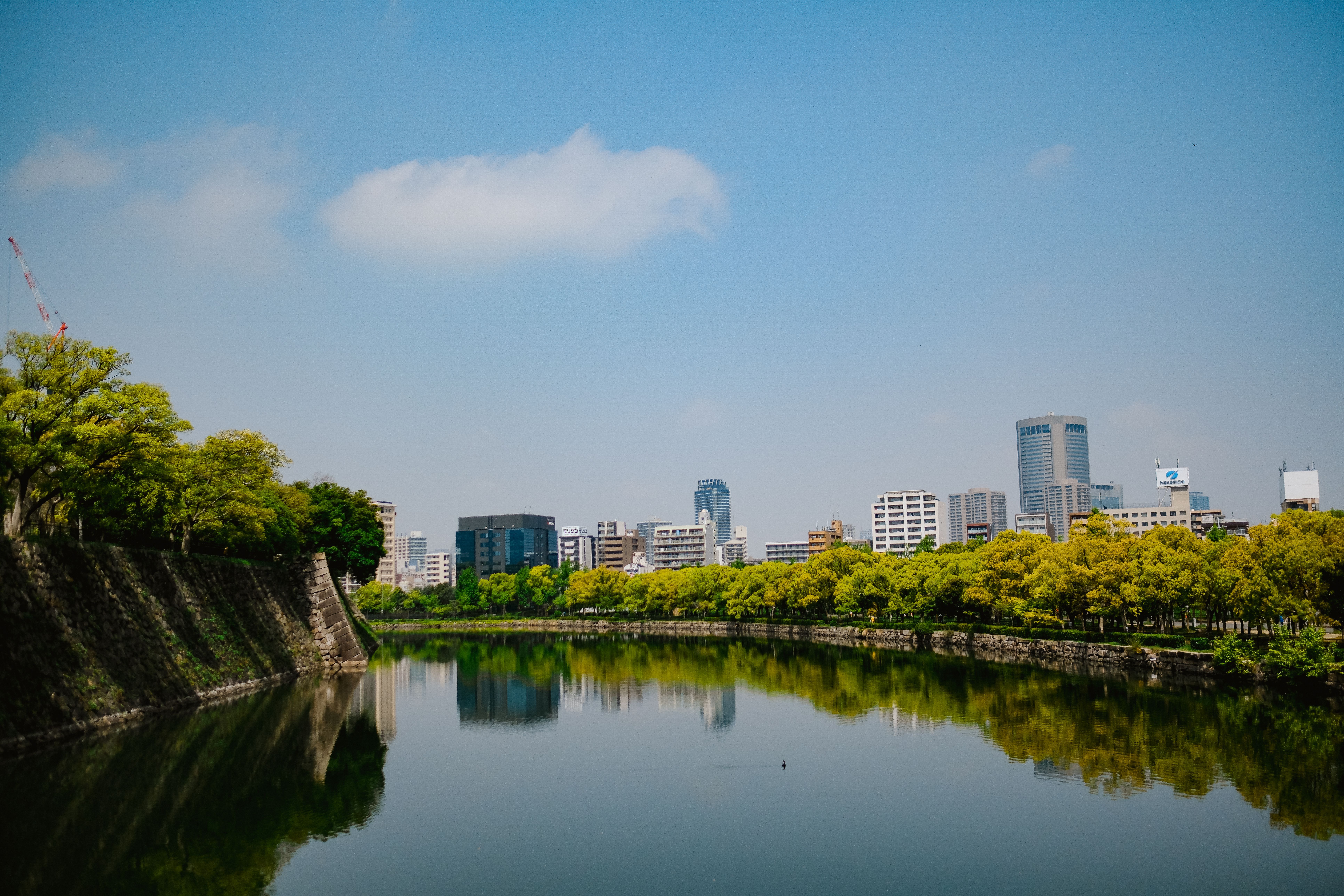
Your First Hours in Tokyo
What's realistic depends on when you landed and how much energy you actually have — which most people overestimate after a long flight.
If you land in the morning and your room isn't ready, resist the urge to start sightseeing aggressively. The smartest first move is the hop-on hop-off bus.
Don't look at it as a tourist trap — look at it as a jet lag recovery system. You get to sit down and rest while moving through major districts without navigating a single confusing train platform. I've used this exact strategy on international tours to let the crew adjust to the city layout without burning through their limited energy. Day two will be infinitely better for it.
Book the Jet Lag City Tour→Most restaurants don't open until around 11 AM, but Japan has excellent breakfast options. Coffee chains like Doutor, Komeda's Coffee, and Hoshino Coffee serve breakfast sets from around 7 AM. For a quick, affordable Japanese breakfast, Matsuya serves rice sets with miso soup, grilled fish or egg from early morning at very reasonable prices. If you want a proper sit-down breakfast, Royal Host is a family restaurant chain serving full western and Japanese morning sets — pancakes, eggs, bacon, soup and salad — for around ¥1,300. Convenience stores are always a reliable backup for a quick first breakfast.
If you arrive in the afternoon and have already checked in, you'll probably have two or three hours before jet lag catches up. Don't try to cram in major attractions. Instead, pick one neighborhood and experience Tokyo at its natural pace.
Think of this walk as your introduction to the city, not your sightseeing checklist. Neighborhoods like Marunouchi and Omotesando are perfect for a first afternoon because they're easy to explore without a plan. Wander a few streets, stop for coffee, browse a small design store, and notice restaurants you'd like to come back to later.
East & central Tokyo — near Tokyo Station, Ginza, or Nihonbashi
Walk the brick-paved streets between Tokyo Station and the Imperial Palace outer gardens — one of Tokyo's most elegant first impressions. Marunouchi is also a surprisingly good shopping destination: the Marunouchi Building, Shin-Marunouchi Building, and KITTE — a beautifully converted former post office with a stunning rooftop terrace — offer a mix of traditional Japanese crafts, contemporary fashion, and design goods all within easy walking distance. Stop for a café break along the way, and if you still have energy, continue toward Ginza, about 15–20 minutes on foot, for department store food halls. Otherwise, stay in Marunouchi for an early dinner with plenty of walk-in options nearby, then return to your hotel before jet lag catches up.
West Tokyo — near Shibuya, Shinjuku, Harajuku, or Roppongi
The tree-lined boulevard and spacious sidewalks make Omotesando one of Tokyo's most relaxing neighborhoods for a first-day stroll. Omotesando Hills — a striking spiral complex designed by architect Tadao Ando — is worth a slow walk through even without a purchase in mind. The side streets leading toward Cat Street hide independent boutiques, vintage shops, and quiet cafés that reward unhurried exploration. Stop for coffee before continuing toward Meiji Jingu if you still have energy, where a peaceful forested walk offers a refreshing contrast to the city you've just arrived in. Calmer than nearby Shibuya, it's an ideal introduction to Tokyo for travelers staying on the west side of the city.
Save Asakusa and Senso-ji for a morning visit — shops close around 5–6 PM and the atmosphere is largely gone by early evening. Save Shibuya for a day when your brain is fully operational.
Your First Night: Plan an Early, Easy Dinner
Dinner is the most underestimated part of arrival day. By evening, your decision-making energy is running low, jet lag is setting in, and the last thing you'll want is to spend an hour figuring out where to eat.
The golden rule for your first night: don't chase the "best" restaurant — choose the easiest good restaurant within a 10–15 minute walk of your hotel.
Before you fly, save three or four restaurant options nearby instead of relying on a single choice. If one is full, closed, or has a long wait, you'll have an immediate backup. You'll enjoy your first meal far more when you're sitting down in 15 minutes instead of wandering unfamiliar streets while exhausted.
Save the destination dining experiences for later in your trip. On arrival day, convenience almost always beats perfection.
What to Eat (Low-Decision Comfort Food)
Skip high-effort meals on night one — save those for day two. Target these easy walk-in options:
Late Arrivals & Backup Plans (After 10 PM)
If you land late, normal sit-down options will be closed. Use these:
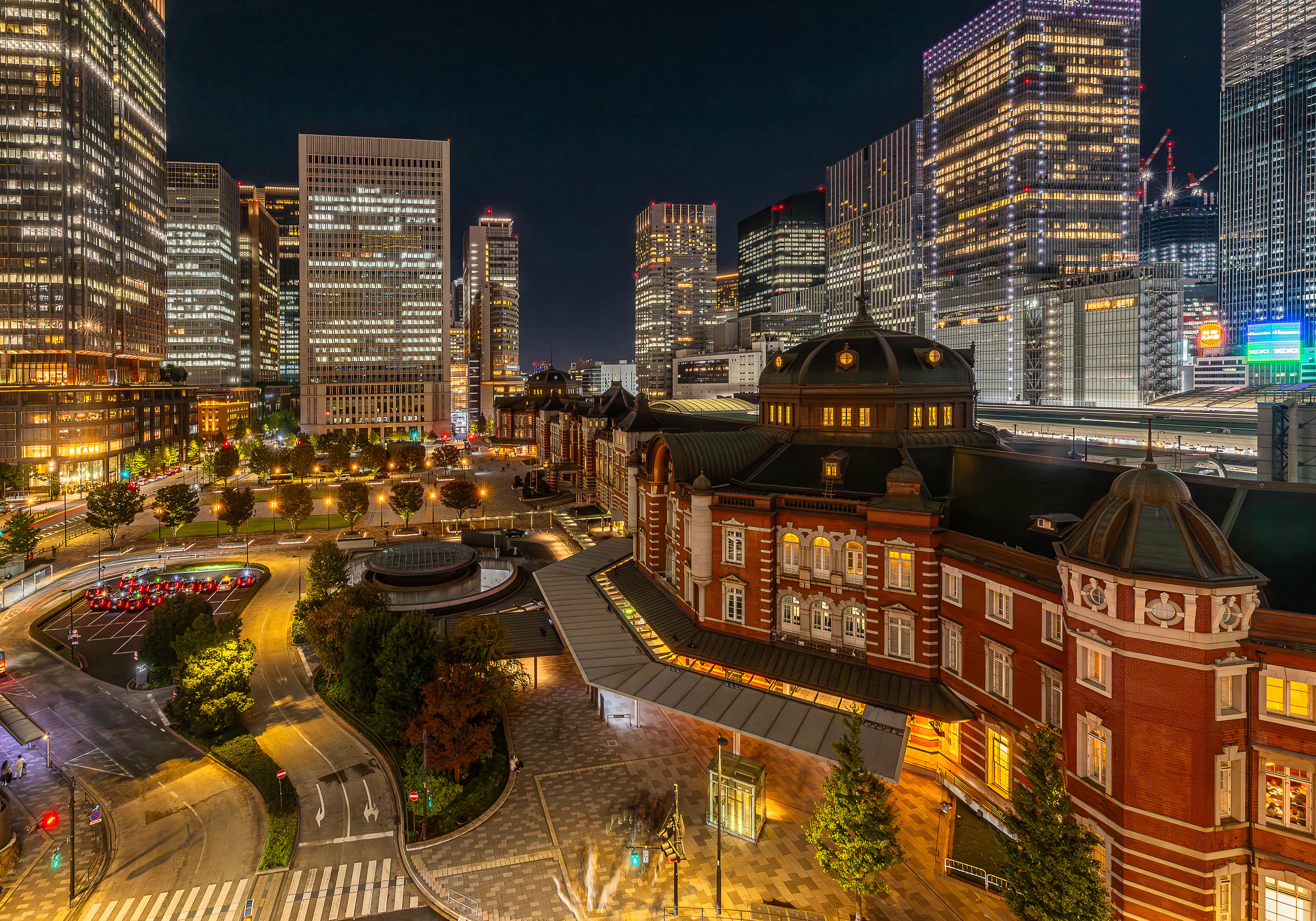
Japan Arrival Checklist
Browse Tokyo Experiences
Book at least one activity before you sleep tonight. Waking up with a plan makes day two dramatically better than day one.
Your secret weapon for beating jet lag
Your first few hours on the ground dictate how quickly you'll beat jet lag. Here is how to fast-track your recovery and reset your body clock immediately: